
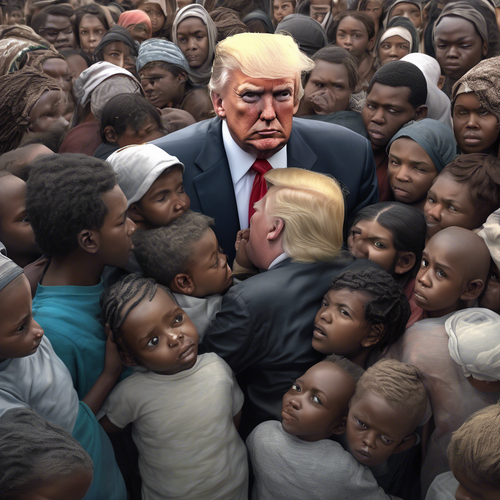
Trump’s Refugee Program: A Tool for White Racial Grievance
As the United States navigates the complexities of immigration policy, the refugee program has come under intense scrutiny and transformation under former President Donald Trump. What once served as a beacon of hope for thousands fleeing persecution has, under Trump’s administration, morphed into a political tool wielded to amplify white racial grievances. This shift not only impacts those seeking refuge but also reshapes public discourse around immigration in America.
The Shift in Refugee Policy
Trump’s presidency marked a significant departure from decades of U.S. refugee policy. When he took office, the annual refugee admissions cap was set at 110,000. However, this figure was dramatically reduced, reaching a historic low of 15,000 in 2021. This reduction was justified by the administration as necessary for national security, but critics argue it was rooted in racial bias, targeting predominantly Muslim countries and reinforcing a narrative of fear around refugees.
“The refugee program became a scapegoat for racial grievances, portraying refugees as a threat rather than as individuals in need,” says Dr. Melissa Hart, an expert in immigration policy.
Racial Grievances and Political Exploitation
Trump’s administration frequently framed immigrants and refugees as threats to American jobs, culture, and safety, often invoking racial stereotypes. This rhetoric resonated with a significant portion of the electorate who felt disenfranchised and threatened by demographic changes. By placing refugees at the center of this narrative, Trump transformed a humanitarian program into a vessel for white grievance politics, suggesting that the influx of refugees undermined the very fabric of American society.
Recent studies indicate that Trump’s rhetoric correlates with increased anti-immigrant sentiment and hate crimes. For instance, a report from the Southern Poverty Law Center noted a spike in hate crimes against immigrants and people of color during Trump’s presidency, suggesting that the framing of refugees as enemies inflamed racial tensions across the country.
The Impact on Refugees
The consequences of this policy shift are dire for refugees. Families torn apart by violence and persecution find themselves facing an increasingly hostile environment in the U.S. The reduction in admissions has left many vulnerable individuals without the safety they desperately seek. The emotional toll is profound, with many refugees experiencing heightened anxiety and fear about their futures, as well as the perception of their legitimacy as immigrants.
Public Perception and Media Influence
Media coverage during the Trump era played a pivotal role in shaping public perception of the refugee program. The administration’s use of sensationalist language and imagery depicting refugees as threats fed into a fear-based narrative. This led to a culture of skepticism surrounding the intentions and backgrounds of refugees, reinforcing existing prejudices.
For instance, the portrayal of the refugee crisis in news outlets often emphasized the potential dangers rather than the humanitarian aspects, influencing how the public understood these individuals’ plight. The framing of stories about refugees shifted from compassion to caution, exacerbating the divide in public opinion on immigration.
A Path Forward: Rebuilding the Narrative
As the U.S. emerges from the Trump era, addressing the damage done to the refugee program and its perception is crucial. Advocates for refugees argue for a return to a policy grounded in humanitarian principles rather than racial grievances. Rebuilding trust in the system requires a concerted effort to share positive stories about refugees, promote educational initiatives, and highlight the contributions refugees have made to American society.
Moreover, fostering dialogue that emphasizes shared values over fear is essential. Communities can play a significant role in countering the negative rhetoric by engaging with and supporting refugees, demonstrating that they are not only welcome but also invaluable members of society.
Conclusion
The transformation of America’s refugee program into a tool for white racial grievance under Trump’s administration has significant implications for both policy and society. As the nation moves forward, it must reconcile its values with its actions, recognizing refugees for the resilience they embody rather than viewing them through the lens of fear. Only then can the U.S. reclaim its role as a refuge for those in need, upholding the ideals of compassion and inclusion that have long defined the nation. 🌍❤️