
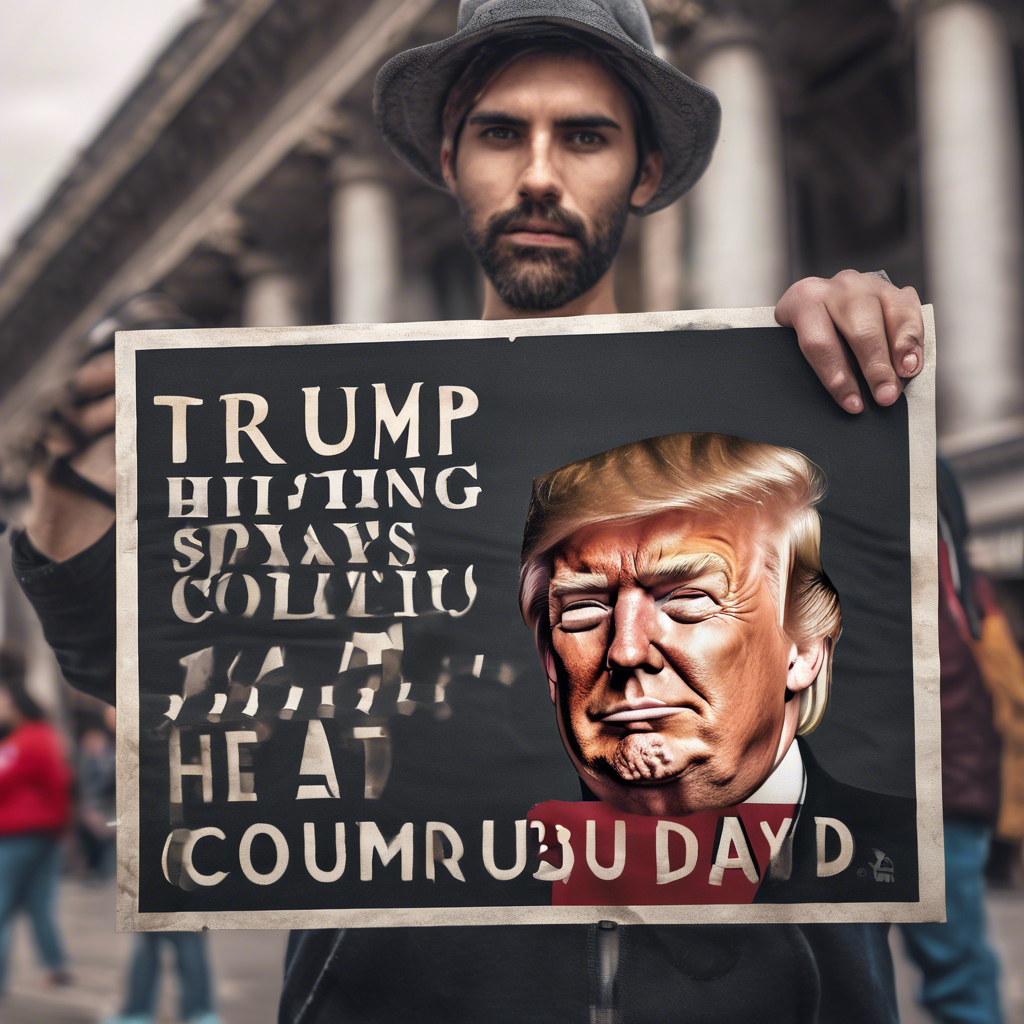
Trump Says He’s ‘Bringing Columbus Day Back.’ It Was Never Gone
In a recent statement reminiscent of his often bold and controversial rhetoric, former President Donald Trump declared he would be “bringing Columbus Day back” if reelected in the upcoming 2024 presidential race. 🗳️ His pronouncement has stirred a mix of support and criticism, highlighting the ongoing cultural and political debates surrounding national holidays. 🇺🇸
The Evolution of Columbus Day
Columbus Day, observed on the second Monday in October, commemorates Christopher Columbus’s 1492 voyage to the Americas. While the holiday has been celebrated since the late 19th century, it has faced increasing scrutiny in recent decades. Critics argue it romanticizes colonialism and overlooks the impact on Indigenous peoples. 🌍
In response, several states and cities have opted to recognize Indigenous Peoples’ Day instead, aiming to honor the history and cultures of Native Americans. This shift has led some to believe that Columbus Day has been marginalized or erased, though it remains a federal holiday. 📅
Trump’s Political Messaging
Trump’s announcement aligns with his broader political strategy of appealing to traditionalist values and energizing his base. By “bringing back” Columbus Day, Trump taps into a narrative of restoring perceived American traditions that some feel are under threat. His statement has sparked discussions about cultural identity and the role of historical commemoration in modern America. 🇺🇸
Supporters of Trump argue that Columbus Day celebrates the spirit of exploration and the historical roots of the nation. Critics, however, view the move as a dismissal of progress towards inclusivity and historical accuracy. 📜
Public Reaction and Implications
The reaction to Trump’s declaration has been predictably polarized, with social media platforms buzzing with both praise and criticism. 🤔 While some hail the statement as a defense of American heritage, others see it as a step backwards in acknowledging the country’s complex past. 🕰️
This cultural debate underscores broader issues of how history is remembered and taught, with potential implications for educational policies and community celebrations across the United States. 🌐