
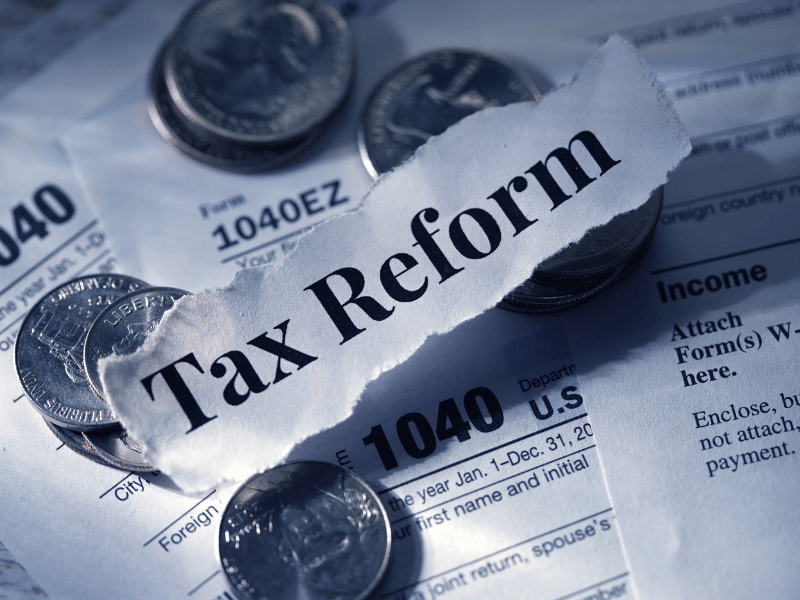
The Trump Administration’s tax reform, also known as the Tax Cuts and Jobs Act (TCJA), has been a subject of intense debate and analysis since its implementation in 2017. As an authority on the subject, it is essential to delve into the details and analyze the impact of this tax reform on both the economy and individuals. In this blog post, we will explore the various aspects of the tax reform, its implications, and its effects on different sectors of the economy.
2. Economic Growth and Job Creation
One of the primary goals of the tax reform was to stimulate economic growth and create more jobs. Proponents of the reform argue that by reducing corporate tax rates, businesses would have more funds available for investment, which would lead to increased productivity and job creation. On the other hand, critics argue that the benefits of the tax cuts disproportionately favor large corporations and wealthy individuals, while doing little to spur overall economic growth. So, has the tax reform lived up to its promise of economic growth and job creation?
3. Impact on Businesses
The tax reform brought significant changes to the corporate tax structure, including a reduction in the corporate tax rate from 35% to 21%. This reduction was aimed at making the United States more competitive globally and attracting investments. Additionally, the reform introduced a provision allowing for immediate expensing of certain capital investments, which provided an incentive for businesses to invest in new equipment and technology. These measures were intended to boost business activity and drive economic growth.
4. Individual Taxpayers: Winners and Losers
The tax reform also brought changes to the individual tax code, including new tax brackets and revised deduction limits. While some individuals benefited from lower tax rates and an increase in the standard deduction, others faced limitations on certain deductions, such as the state and local tax (SALT) deduction. The impact of the tax reform on individual taxpayers varied depending on factors such as income level, location, and personal circumstances. It is important to analyze these changes to understand who the winners and losers are under the new tax system.
5. Impact on Real Estate Market
The tax reform had a significant impact on the real estate market, particularly in high-cost areas. The reduction in the SALT deduction and the mortgage interest deduction (MID) limitations affected homeowners and potential homebuyers in areas with high property values and high state and local taxes. These changes led to concerns about a potential slowdown in the real estate market and a decrease in housing affordability.
6. Impact on Small Businesses
Small businesses play a crucial role in the economy, and the tax reform aimed to provide them with relief and support. The introduction of a 20% deduction for qualified business income (QBI) for pass-through entities, such as sole proprietorships, partnerships, and S-corporations, was intended to benefit small businesses. This provision allowed eligible businesses to deduct a portion of their income, reducing their overall tax liability. However, some limitations and complexities associated with this deduction raised concerns among small business owners.
7. Fiscal Impact and National Debt
One of the key considerations when analyzing any tax reform is its fiscal impact and its effect on the national debt. While proponents argued that the tax reform would pay for itself through increased economic growth, critics raised concerns about the potential for a significant increase in the national debt. It is crucial to assess whether the tax reform has had the desired effect on government revenues and whether it has contributed to a sustainable fiscal path.
8. Conclusion
Analyzing the impact of the Trump Administration’s tax reform on the economy and individuals reveals a complex picture. While there have been positive effects such as increased business investment and job creation, there have also been concerns about the distributional impact on individual taxpayers and the potential consequences for the national debt. As we continue to evaluate the long-term effects of the tax reform, it is important to consider these factors and make informed assessments about its overall impact on the economy and individuals.
Unveiling the Economic Ripple Effect: Analyzing the Impact of Tax Reform on the Economy
Unveiling the Economic Ripple Effect: Analyzing the Impact of Tax Reform on the Economy
1. Introduction: The Trump Administration’s Tax Reform
The Trump Administration’s tax reform has been a subject of much debate and speculation. With promises of stimulating economic growth and benefiting individuals, it has left many wondering about its actual impact on the economy. In this article, we delve into the economic ripple effect of tax reform and analyze its repercussions on various aspects of the economy.
2. The Economic Ripple Effect
Tax reform has the potential to create a ripple effect throughout the economy, impacting businesses, consumers, and overall economic growth. By reducing tax rates, the reform aims to stimulate business investment and expansion, which in turn can lead to job creation and increased consumer spending. This injection of capital into the economy can have a positive multiplier effect, generating further economic activity and growth.
3. Impact on Businesses
Lower tax rates can provide businesses with more capital to invest in research and development, technological advancements, and infrastructure improvements. This can foster innovation, improve productivity, and enhance competitiveness in the global market. Additionally, tax reform may incentivize corporations to repatriate overseas profits, leading to increased domestic investment and job opportunities. By reducing the tax burden on businesses, tax reform aims to create a more conducive environment for economic growth and expansion.
4. Impact on Individuals
Tax reform not only affects businesses but also has implications for individuals. By lowering individual tax rates, the reform aims to put more money in the pockets of consumers, increasing their disposable income. This can lead to higher consumer spending, which is a key driver of economic growth. Moreover, the reform introduces changes to deductions and credits, potentially simplifying the tax filing process for individuals and reducing their tax burden. Overall, the goal is to stimulate economic activity by empowering individuals to spend and invest their money.
5. Potential Challenges and Considerations
While tax reform has the potential to have a positive impact on the economy, there are also potential challenges and considerations to be aware of. For example, reducing tax rates may result in a temporary decrease in government revenue, which could require adjustments in government spending or other sources of revenue. Additionally, the distributional impact of tax reform should be carefully examined to ensure that it doesn’t disproportionately benefit certain income groups over others.
6. Conclusion
Analyzing the impact of tax reform on the economy reveals a complex web of interconnected factors. From businesses to individuals, the ripple effect of tax reform can have far-reaching consequences. By stimulating investment, encouraging innovation, and empowering consumers, tax reform aims to drive economic growth and improve overall prosperity. However, it is essential to carefully monitor and evaluate the outcomes of tax reform to ensure its effectiveness and address any challenges that may arise.
The Ripple Effect: Unraveling the Impact of Tax Increases on Individuals and the Economy
1. The Ripple Effect: Unraveling the Impact of Tax Increases on Individuals and the Economy
Have you ever wondered how tax increases can affect both individuals and the economy as a whole? In this comprehensive analysis, we will delve into the intricacies of the ripple effect that tax increases can create. By understanding the various ways in which taxes impact different sectors, you will gain valuable insights into the potential consequences of tax reforms.
2. The Economic Impact of Tax Increases
When taxes are increased, it often leads to a decrease in disposable income for individuals. This reduction in spending power can have a significant impact on consumer behavior and overall economic activity. With less money to spend, individuals may cut back on non-essential purchases, leading to decreased demand for goods and services.
This, in turn, can negatively affect businesses, potentially leading to layoffs and a slowdown in economic growth.
Furthermore, tax increases can also affect investment decisions. Higher taxes on capital gains and dividends may discourage individuals and businesses from investing in stocks and other assets. This reduced investment can have a detrimental effect on the economy, as it limits the flow of funds into productive sectors.
3. The Impact on Individuals
Tax increases can have a direct impact on individuals’ financial well-being. Higher income tax rates can result in reduced take-home pay, leaving individuals with less money to cover their expenses and save for the future. Additionally, increased taxes on specific goods, such as fuel or luxury items, can further strain individual budgets.
Moreover, tax increases can also affect individual behavior. Higher taxes on cigarettes, for example, have been proven to discourage smoking and promote healthier habits. Similarly, taxes on carbon emissions aim to encourage individuals and businesses to reduce their environmental impact.
4. The Effect on Government Revenue
One of the primary reasons for tax increases is to increase government revenue. By collecting more taxes, governments can fund public services, infrastructure projects, and social welfare programs. However, it is important to consider the potential trade-offs of higher taxes. If tax increases lead to a decrease in economic activity and investment, the overall tax base may shrink, resulting in lower-than-expected revenue collection.
5. Balancing Act: Finding the Optimal Tax Rate
Finding the optimal tax rate that maximizes government revenue while minimizing negative impacts on individuals and the economy is a complex task. It requires careful consideration of various factors, including income distribution, economic growth, and social welfare. Economists and policymakers continually debate the ideal tax structure, seeking a balance between funding government programs and stimulating economic activity.
In conclusion, tax increases can have far-reaching effects on individuals and the economy. Understanding the ripple effect of tax reforms is crucial for policymakers, economists, and individuals alike. By considering the economic impact, individual consequences, and government revenue implications, we can foster informed discussions on tax policy and its implications for society as a whole.
Assessing the Impact: Evaluating the Success of the Tax Cuts and Jobs Act
Assessing the Impact: Evaluating the Success of the Tax Cuts and Jobs Act
1. Introduction: The Trump Administration’s Tax Reform and Its Impact
The Tax Cuts and Jobs Act (TCJA), implemented by the Trump Administration, was a significant tax reform aimed at boosting the economy and providing relief to individuals and businesses. To truly understand the impact of this reform, it is crucial to assess its success. In this article, we will delve into the key aspects of the TCJA and evaluate its effectiveness in stimulating economic growth and benefiting individuals.
2. Economic Impact: Stimulating Growth and Investment
One of the primary objectives of the TCJA was to stimulate economic growth. Proponents argued that by reducing tax burdens on businesses, it would incentivize investment, job creation, and ultimately lead to a stronger economy. Several indicators suggest that the TCJA had a positive impact on the economy. For instance, the GDP growth rate experienced an upward trend following the implementation of the tax reform, reaching a peak of 3.2% in 2018 (source: U.S. Bureau of Economic Analysis). Additionally, business investment surged, with companies increasing their spending on equipment, infrastructure, and research and development (source: Tax Foundation). These outcomes indicate that the TCJA played a role in promoting economic expansion and encouraging businesses to invest in their growth.
3. Individual Impact: Tax Relief and Simplification
Another key aspect of the TCJA was providing tax relief for individuals. The reform aimed to simplify the tax code, lower tax rates, and increase the standard deduction to reduce the tax burden on Americans. Many individuals saw a reduction in their tax liability, with lower income tax rates benefiting various income brackets. Additionally, the increased standard deduction provided a simpler tax-filing process for many taxpayers. However, it is important to note that the impact of the TCJA varied among individuals, with some experiencing more significant benefits than others. Factors such as income level, location, and specific deductions and credits can influence the extent of the tax relief received.
4. Evaluating the Success: Beyond Immediate Impact
While the TCJA demonstrated positive outcomes in terms of economic growth and individual tax relief, evaluating its overall success requires a comprehensive analysis. It is essential to consider the long-term effects, such as the sustainability of economic growth and the impact on government revenue. Critics argue that the tax cuts may lead to an increase in the national debt and hinder the government’s ability to fund essential programs. Additionally, some economists argue that the benefits of the tax cuts disproportionately favored higher-income households. Evaluating the success of the TCJA involves weighing these factors and determining whether the intended goals were achieved in a balanced and equitable manner.
In conclusion, assessing the impact of the Tax Cuts and Jobs Act involves examining its economic and individual effects. The TCJA played a role in stimulating economic growth through increased business investment and contributed to tax relief for many individuals. However, evaluating its overall success requires considering long-term implications and potential inequalities. By analyzing the key aspects of the TCJA, we can gain a comprehensive understanding of its effectiveness and its impact on the economy and individuals.
Frequently Asked Questions:
1. **What is the purpose of the Trump administration’s tax reform?**
The purpose of the Trump administration’s tax reform was to stimulate economic growth, simplify the tax code, and provide relief for individuals and businesses.
2. **How does the tax reform impact the economy?**
The tax reform aims to boost the economy by lowering the corporate tax rate, allowing businesses to invest more in capital and job creation. It also provides tax relief for middle-income families, enabling them to have more disposable income to spend and stimulate consumer spending.
3. **Will the tax reform benefit individuals?**
Yes, the tax reform brings various benefits for individuals. It lowers tax rates for most income brackets, increases the standard deduction, and expands child tax credits. These changes aim to reduce the tax burden on individuals and allow them to keep more of their hard-earned money.
4. **What about the impact on businesses?**
The tax reform significantly reduces the corporate tax rate, making the United States more competitive internationally. This change encourages businesses to invest in the country, create jobs, and boost economic growth. Additionally, small businesses can take advantage of a simplified tax structure and a new 20% deduction for pass-through income.
5. **Does the tax reform affect the federal deficit?**
The tax reform is projected to increase the federal deficit by reducing government revenue. However, proponents argue that the resulting economic growth will generate additional tax revenue in the long run, offsetting the initial shortfall.
Conclusion:
The Trump administration’s tax reform has had a significant impact on both the economy and individuals. By lowering tax rates for individuals and businesses, simplifying the tax code, and providing various tax credits and deductions, the reform aimed to stimulate economic growth and provide relief for taxpayers. While the long-term effects and effectiveness of the tax reform remain a subject of debate, it has undoubtedly brought changes that have affected the financial landscape of the country. As with any major policy change, it is crucial to continue monitoring its impact and make adjustments as necessary to ensure the desired outcomes are achieved.
Tax reform? More like a tax mess! Cant believe the positive impact they claim.
Tax reform is a sham! It only benefits the rich while leaving the middle class struggling. #Unfair
Tax reform? More like tax chaos! Lets see if this ripple effect will really benefit everyone.
The Trump Administrations Tax Reform may have boosted the economy, but what about the impact on unicorns? 🦄