
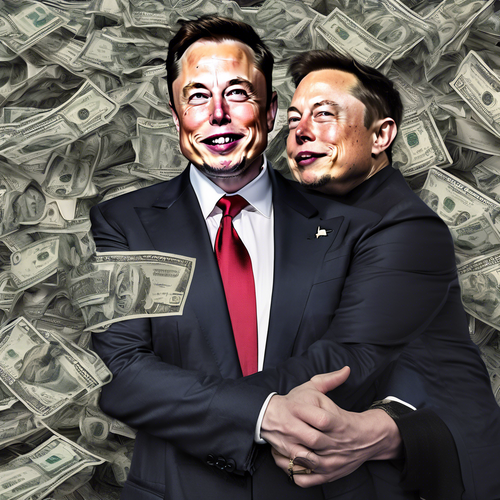
Democrats Wooing Musk After the Trump Breakup: A Plutocracy in Action
In the wake of a publicized fallout between Elon Musk and Donald Trump, a new political strategy is emerging: the courting of the tech billionaire by Democrats eager to leverage his influence and finances. This development underscores a growing trend in American politics where the wealthiest individuals wield increasing power, often dictating policy and political allegiances. 💰
The Shift in Alliances
Once a vocal supporter of Trump, Elon Musk’s recent criticisms of the former president have opened the door for a potential new alliance with the Democratic Party. The shift has not gone unnoticed, as Democrats see Musk’s vast resources and extensive platform as essential assets in the upcoming electoral battles.
Political analysts have speculated that Musk’s interests in clean energy and space technology align well with progressive platforms, potentially paving the way for a strategic partnership. As Democrats aim to recapture moderate voters, the allure of Musk’s innovative image could be a game-changer in approaching complex issues such as climate change and the economy. 🌍
Democratic Strategies to Court Musk
To woo Musk effectively, Democrats are cultivating a narrative that emphasizes shared values and mutual benefit. Here are some strategies that have emerged:
- Policy Alignment: Highlighting key policies that resonate with Musk’s interests, such as sustainable energy initiatives and technology reforms, helps bridge the gap between him and the party.
- Exclusive Events: High-profile fundraisers featuring Musk could attract significant donations and media attention, simultaneously positioning him as a key Democratic ally.
- Leveraging Social Media: Utilizing Musk’s vast social media following allows Democrats to amplify their messages and reach younger voters, a demographic that is increasingly crucial for electoral success. 📱
The Implications of Plutocracy
While the courting of Musk may seem pragmatic, it raises important questions about the influence of wealth in American democracy. The concept of plutocracy—when the wealthy class holds disproportionate power over the political system—has been increasingly evident in recent years. Critics argue that this trend undermines the democratic process, as policies may cater more to the interests of billionaires than the electorate.
“When wealth equals power, the average voter’s voice gets drowned out,” states political economist Dr. Sarah Thompson. “This relationship between money and politics creates a system where policies may reflect the desires of a few rather than the needs of many.” 📉
Public Reception and Criticism
Public reactions to this potential partnership have been mixed. Some view Musk as a visionary whose contributions could advance progressive causes. Others criticize the Democrats for relying on a billionaire instead of grassroots movements. This discontent highlights a broader concern: Does courting wealthy benefactors compromise a party’s integrity and commitment to its constituents? 🤔
A Look Ahead
As the 2024 elections approach, the question remains: how will this dynamic between Democrats and Musk evolve? Will the Democrats fully embrace the influence of one of the world’s richest individuals, or will they seek to balance this relationship with grassroots initiatives? The answers to these questions will shape not only the political landscape but also the future of democratic engagement in the United States. 🗳️
In a nation where economic inequality continues to rise, the intersecting paths of wealth and politics will undoubtedly lead to new challenges and opportunities. As Democrats attempt to solidify their standing, the extent to which they can navigate this complex relationship with Musk may very well determine their fate in the elections to come.