
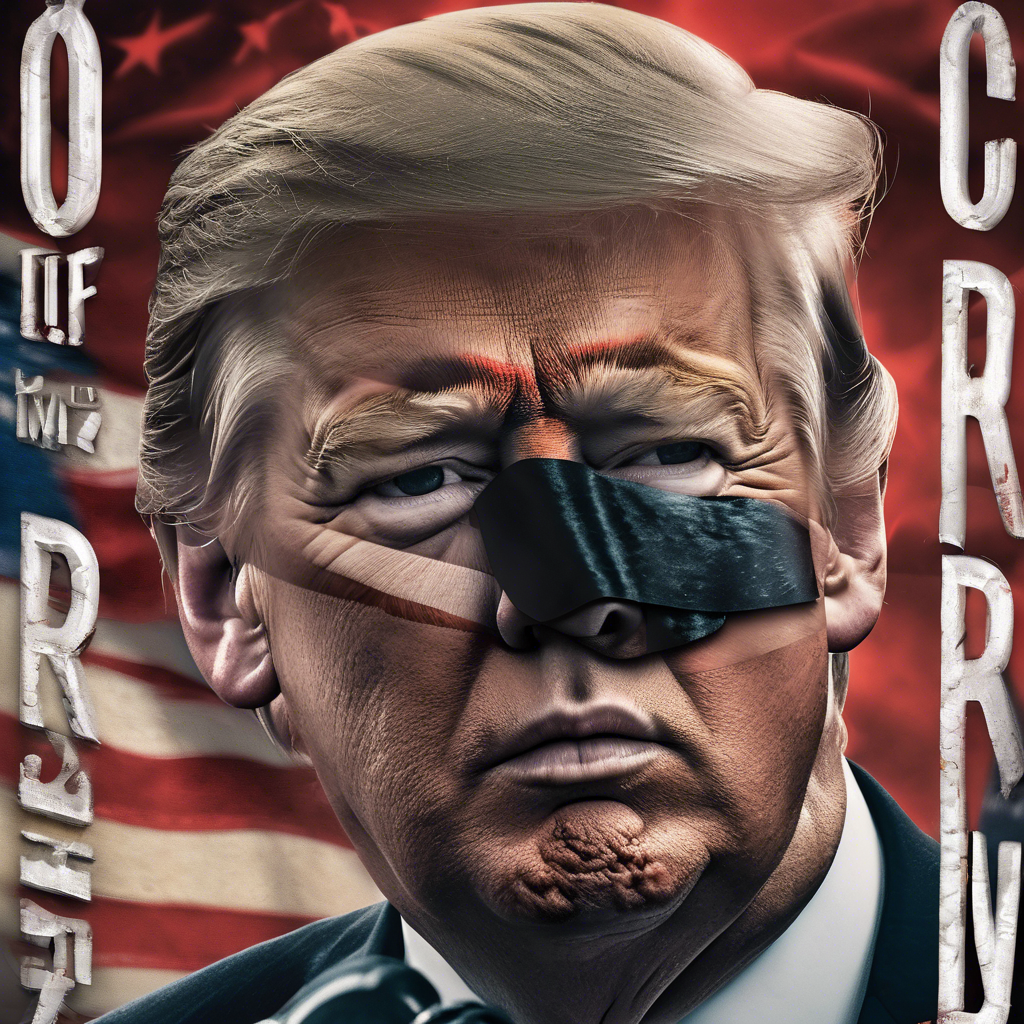
President Trump Proposes 100% Tariff on Overseas Movies
Washington, D.C. — In a bold move that could reshape the entertainment landscape, former President Donald Trump announced his plan to impose a 100% tariff on all movies produced outside of the United States. This proposal comes as Trump gears up for a potential 2024 presidential run, tapping into the growing sentiment of economic nationalism 🇺🇸.
The Implications for Hollywood and Beyond
The proposal has sent ripples through Hollywood, prompting discussions on its potential impacts on both the domestic and international markets. With a 100% tariff, foreign films could see a significant price increase, potentially deterring U.S. distributors from underwriting international productions 🎬. This move may lead to a boom in homegrown content, while simultaneously raising concerns about the diversity of cultural narratives available to American audiences.
The tariff aims to bolster the American film industry by encouraging a more competitive environment for local productions. Proponents argue it could revitalize U.S. studios by reducing the influx of foreign films that often dominate the box office. However, critics warn of the isolationist undercurrents, which could strain international relations and lead to reciprocal measures against American films abroad 🌍.
Historical Context and Political Ramifications
Trump’s proposition ties into a long-standing political narrative focused on prioritizing American jobs and industries. During his presidency, Trump advocated for tariffs on various goods, citing economic protectionism as a key policy strategy. This new tariff proposal aligns with his consistent rhetoric on defending American interests in global markets.
Political analysts suggest this move is designed to rally support from key voter bases who favor strong protectionist policies. This proposal promises to be a contentious issue in the upcoming election cycle, attracting both fervent supporters and vocal critics 👥.
Industry Reaction and Future Prospects
Leaders in the entertainment industry are weighing in on the potential consequences of such tariffs. While some studio executives see opportunities in a tariff-free domestic market, others express concern over the loss of international collaborations and the creative exchange that drives innovation in filmmaking. The uncertainty surrounding this proposal leaves many wondering about the future of international cinema in the U.S. market 🤔.
As discussions continue, this proposed tariff is set to become a pivotal issue in debates about cultural exchange, economic policy, and the direction of the American film industry. Stakeholders from all sides will be watching closely as Trump’s proposal unfolds in the political arena, likely shaping the discourse in the months to come.